




Accurate fuel transaction reconciliation is essential in industries where fuel plays a critical role — transportation, logistics, and construction. It helps businesses manage fuel costs, prevent fraud, and stay compliant with regulations. This post covers why fuel transaction reconciliation matters, how it works, and the tools that streamline the process.
What is Fuel Transaction Reconciliation?
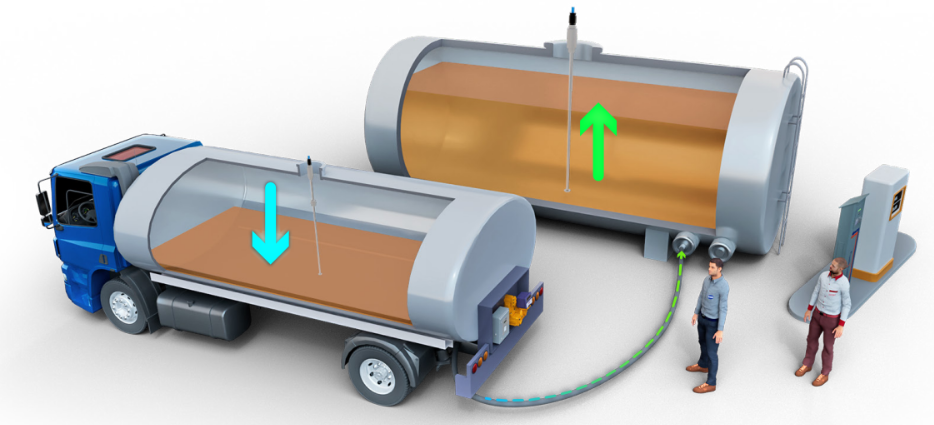
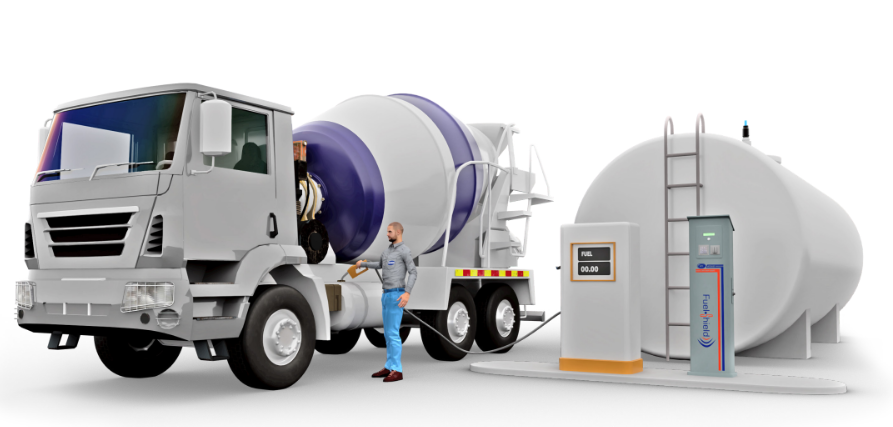
Fuel transaction reconciliation is the process of matching fuel transactions recorded at the point of sale with inventory data, to make sure they line up. It verifies that the fuel purchased, dispensed, and recorded matches the actual levels in storage tanks. This helps identify discrepancies, prevent losses, and keep financial records accurate.
Why is Fuel Transaction Reconciliation Important?
- Cost Control: Accurately tracking fuel transactions lets businesses monitor fuel usage and find areas for cost savings. It also helps budget and forecast fuel expenses more effectively.
- Fraud Prevention: Reconciliation helps detect unauthorized transactions and discrepancies, reducing the risk of fuel theft and fraud — especially important for large fleets and multi-point operations.
- Regulatory Compliance: Many industries must meet regulations for accurate fuel tracking and reporting. Reconciliation helps businesses stay compliant and avoid fines and penalties.
- Operational Efficiency: Accurate fuel tracking helps maintain optimal fuel levels and prevent overstocking or shortages, leading to smoother operations and less downtime.
How Does Fuel Transaction Reconciliation Work?
- Data Collection: Gather data from fuel pumps, point-of-sale systems, and fuel inventory management systems — transaction details, fuel levels, and delivery records.
- Data Matching: Compare the collected data to spot discrepancies, matching fuel dispensed against recorded transactions and inventory levels.
- Error Identification: Investigate discrepancies such as missing transactions, incorrect quantities, or unauthorized fuel usage, so issues get resolved promptly.
- Adjustment and Reporting: Correct errors, keep records accurate, and generate reports for a clear overview of fuel transactions and inventory levels.
Tools for Streamlining Fuel Transaction Reconciliation
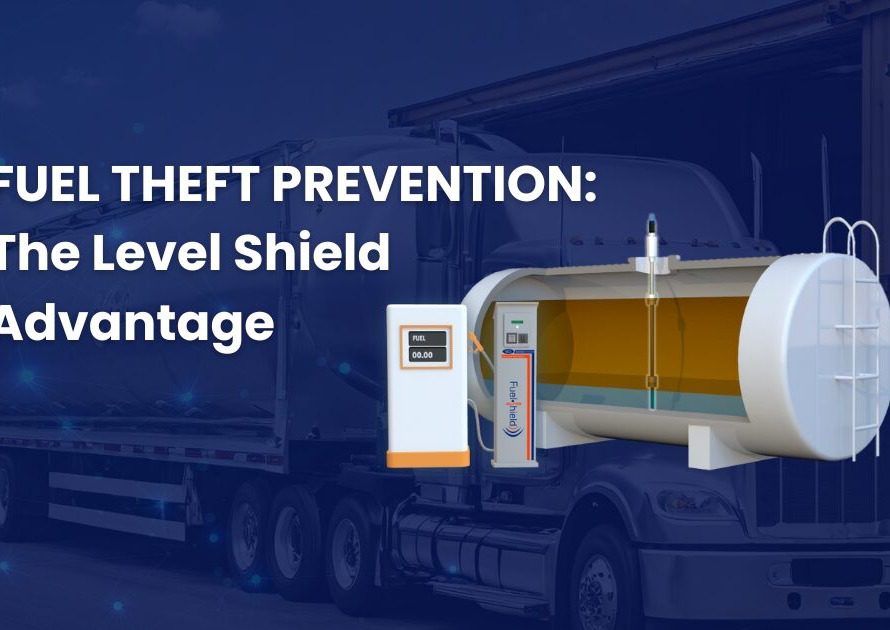
LevelShield:
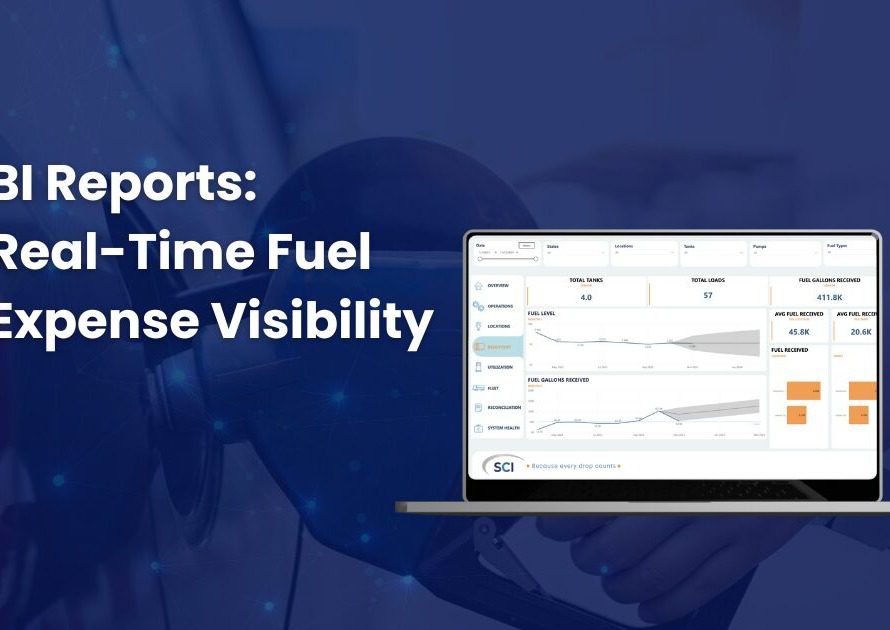
Level Shield provides real-time monitoring of fuel levels, temperatures, and densities. It offers customizable alerts and an intuitive dashboard, making it easier to track and reconcile fuel transactions accurately. Fuel Reconciliation simplifies matching purchased fuel with dispensed fuel, enhanced by FuelShield.
FuelShield:
Fuel Shield enhances fuel security by providing advanced monitoring and control features. It helps prevent unauthorized access and ensures that only authorized personnel can dispense fuel, reducing the risk of theft and fraud. Fuel Reconciliation simplifies matching purchased fuel with dispensed fuel, enhanced by LevelShield.
FuelB4:
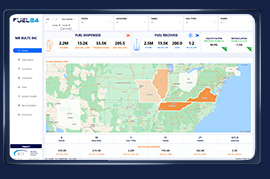
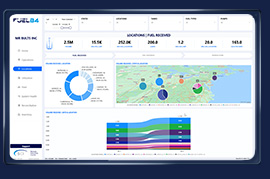
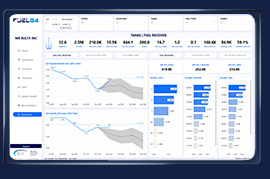
FuelB4 is a comprehensive fuel management software that integrates with various systems to provide detailed transaction data. It automates the reconciliation process, reducing manual effort and improving accuracy.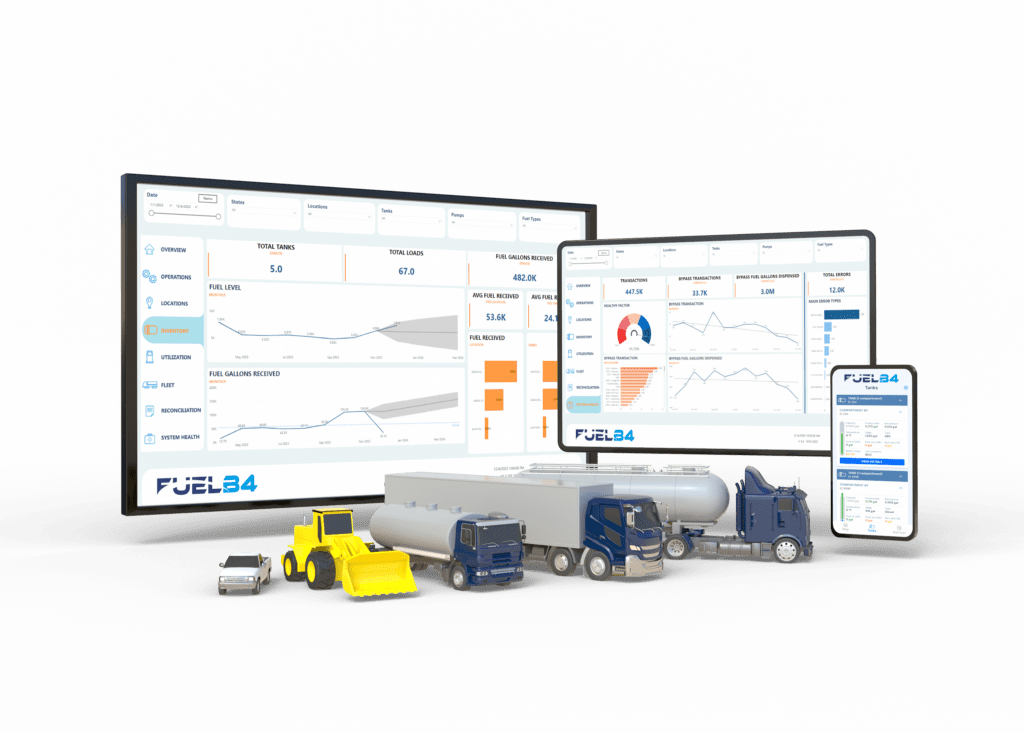
Fuel transaction reconciliation is a vital process for businesses that rely on fuel. Getting it right controls costs, prevents fraud, and keeps you compliant with regulations. Tools like Level Shield, Fuel Shield, and Fuel B4 add advanced features that streamline reconciliation, making it easier to manage fuel transactions effectively.
Contact us today for a free consultation on how our fuel management solutions can help your business achieve accurate and efficient fuel transaction reconciliation.