





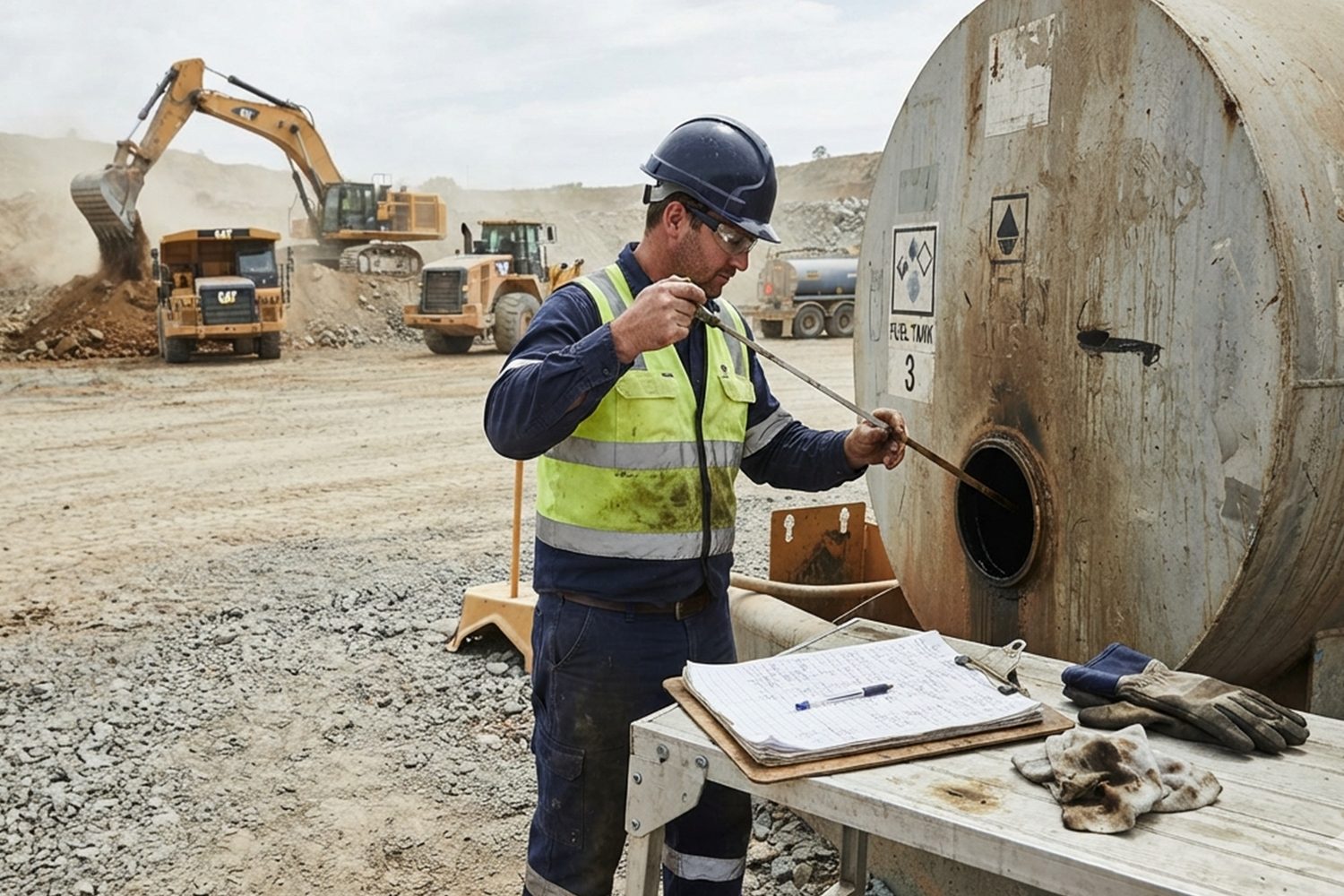
Fuel is widely recognized as one of the largest ongoing expenses in heavy machinery and construction operations, often accounting for up to 40% of total operating costs. For decades, fleet managers and project supervisors have relied on manual logging, estimates, and physical dipsticks to track fuel consumption.
However, as projects grow more complex and margins tighten in 2026, these outdated methods leave companies vulnerable to inefficiencies, equipment downtime, and fuel theft. The modern solution lies in real-time fuel monitoring—a technological shift that is fundamentally revolutionizing how heavy machinery fleets operate.
The Challenges of Traditional Fuel Management
In industries such as mining, agriculture, and construction, machinery operates in remote, rugged environments. Tracking fuel in these conditions has historically been difficult. Traditional methods often result in delayed data, making it nearly impossible to pinpoint exactly when or where fuel was lost, wasted, or stolen. Furthermore, manual data entry is notoriously prone to human error, leading to inaccurate forecasting and disrupted project budgets.
The Power of Real-Time Visibility
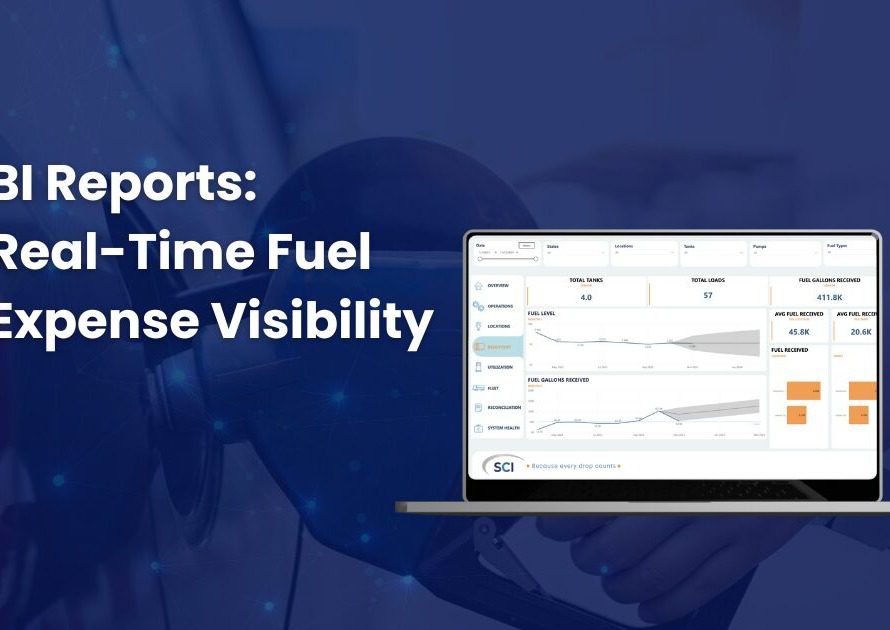
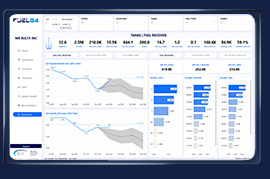
By integrating advanced Fuel Management Systems (FMS), companies can now transition from reactive tracking to proactive management. Real-time fuel monitoring provides continuous, automated visibility into the exact fuel levels of every asset, no matter where they are deployed.
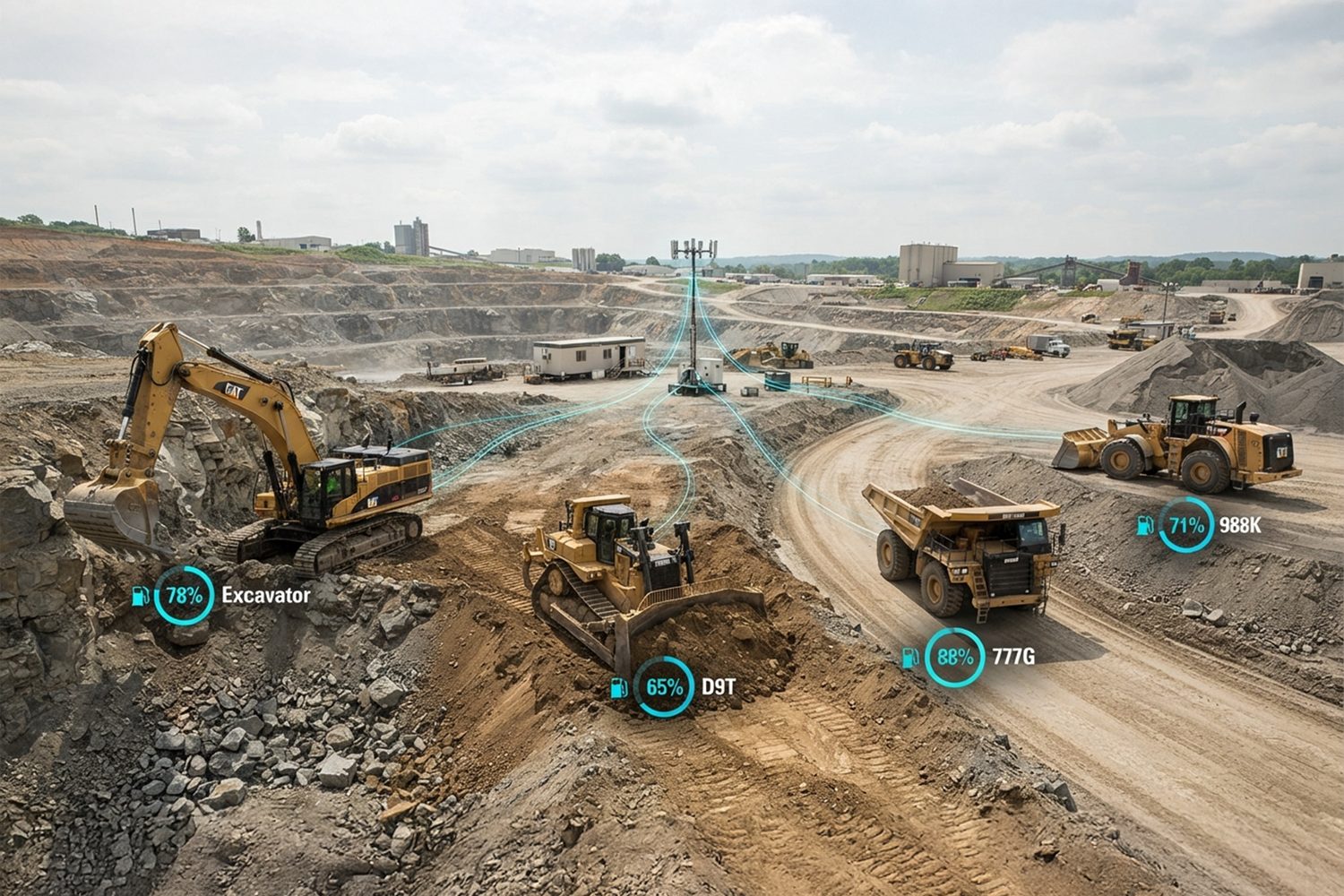
Here is how this technology is transforming heavy machinery operations:
1. Precision Tracking and Theft Prevention
High-precision sensors measure fuel volumes continuously. If a sudden, unauthorized drop in fuel levels occurs—especially when the machine is turned off—the system triggers an instant alert. This rapid response capability is crucial for identifying and stopping fuel siphoning and theft in remote work sites.

2. Optimizing Engine Idling
Heavy equipment often spends a significant amount of time idling, which silently drains fuel and accelerates engine wear. Real-time telematics can identify which machines are idling excessively, allowing managers to implement targeted operator training and immediately reduce wasted fuel.
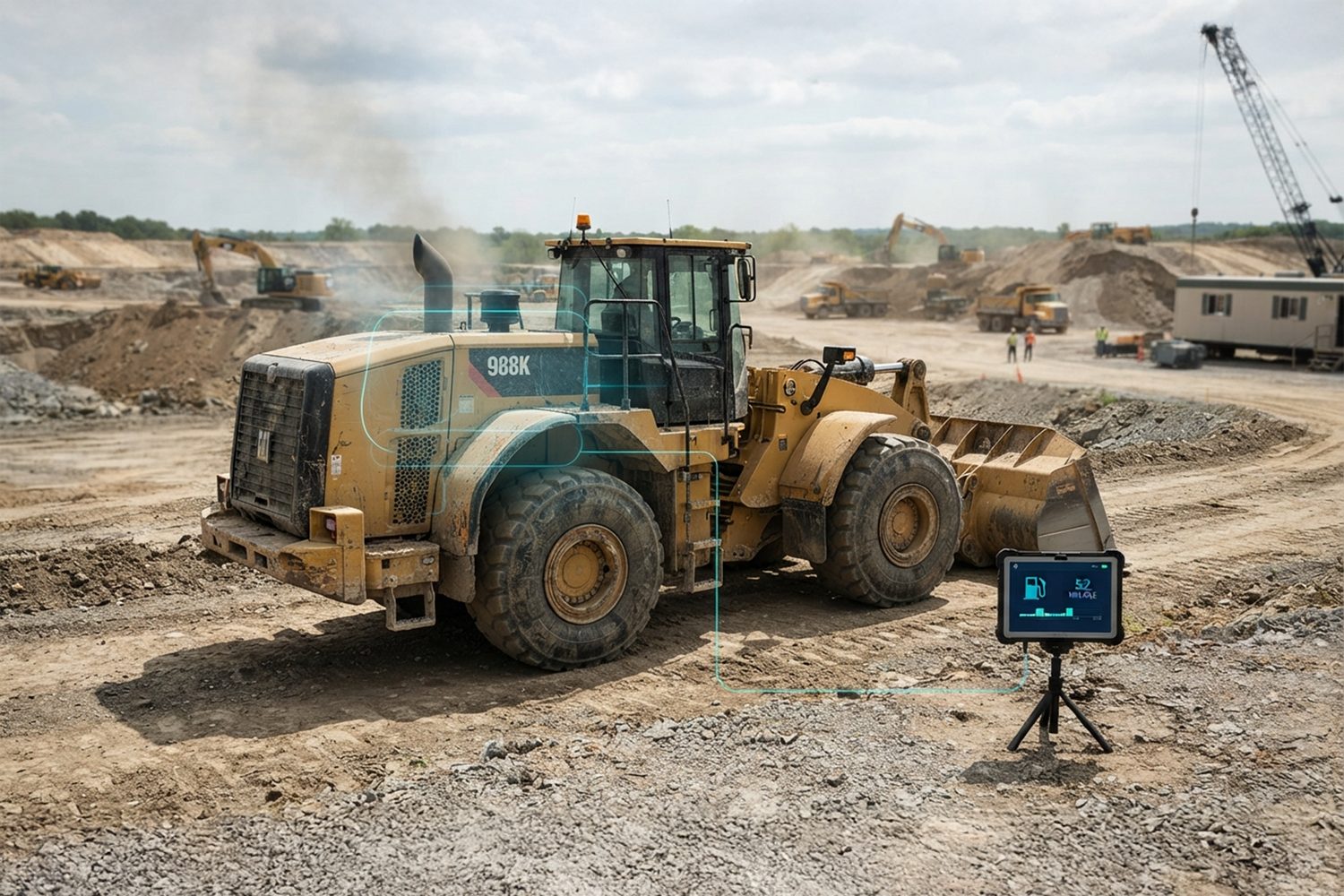
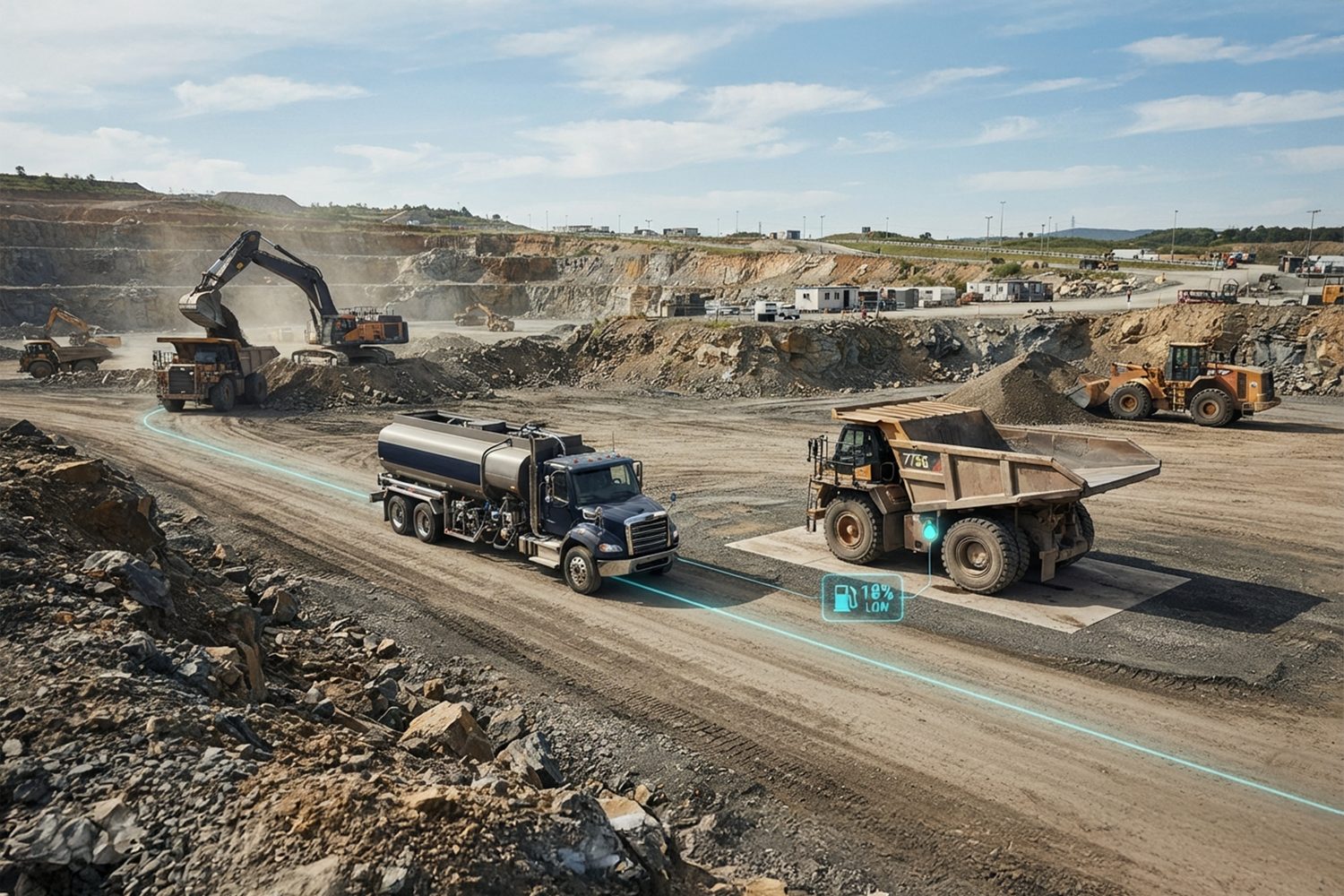
3. Streamlined Refueling Operations
Knowing the exact fuel levels of all machinery allows dispatchers to schedule refueling trucks efficiently. Instead of driving around a massive site to check each machine, fuel trucks can be routed only to the assets that actually need it, saving time and reducing the logistical footprint.
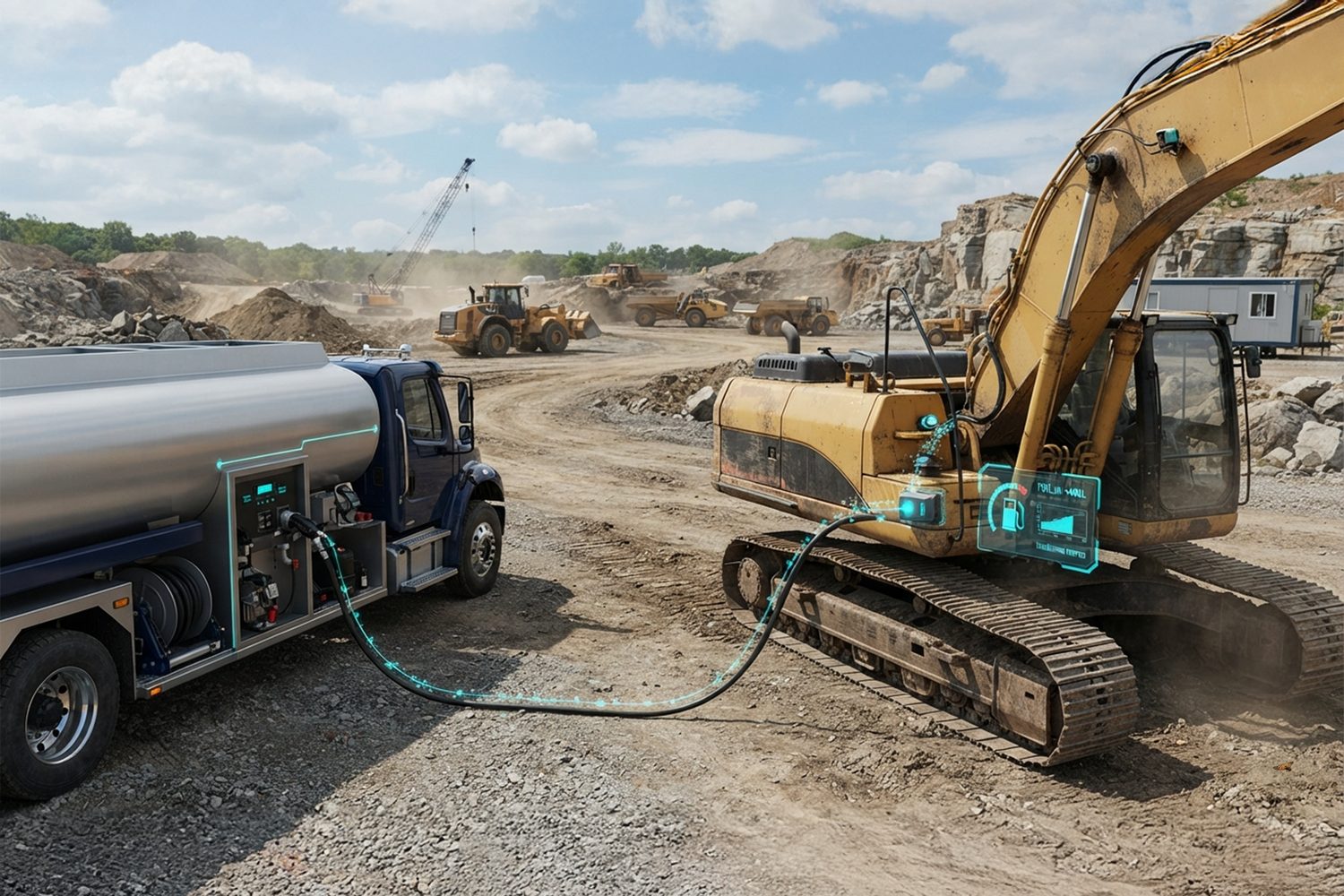
4. Automated Reconciliation
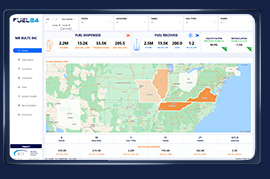
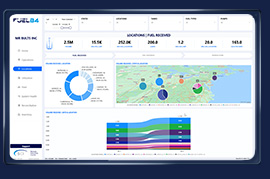
Real-time systems automatically reconcile the fuel dispensed from storage tanks or fuel trucks with the fuel received in the machinery’s tank. This closed-loop system eliminates paperwork, ensures every drop is accounted for, and provides accurate data for compliance and reporting.
Conclusion
The shift towards real-time fuel monitoring is no longer just a technological luxury; it is a vital strategy for maintaining profitability in heavy machinery operations. By eliminating guesswork, preventing theft, and optimizing daily usage, companies can significantly lower their operational costs while improving overall efficiency. At SCI Global LLC, we provide the cutting-edge fuel management technology required to give you total control over your assets, ensuring your projects run smoother and more profitably than ever before.
Ready to take total control of your fuel?
Book your free fuel management consultation with SCI today.