- Our Solutions
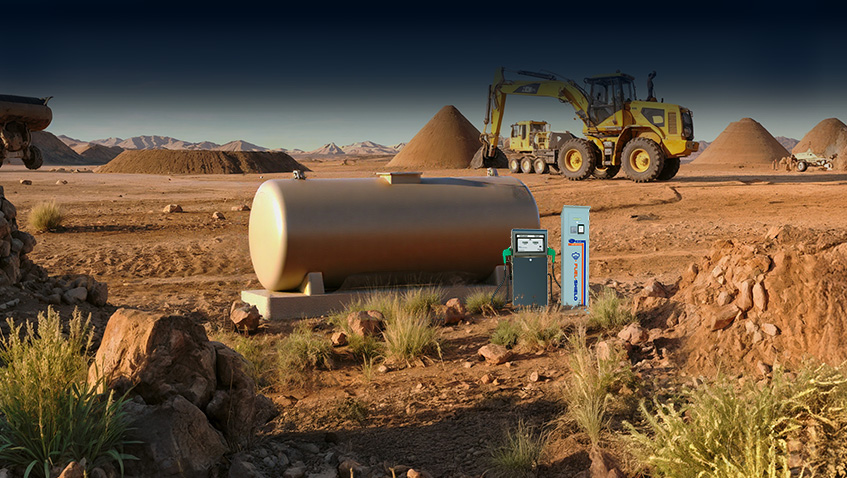
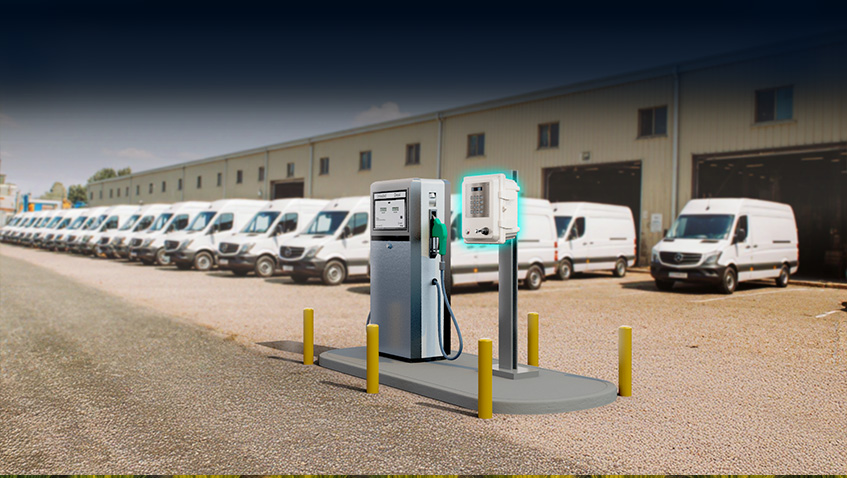
Secure and control every drop of fuel.
Real-time monitoring of fuel levels in every tank.
- LevelShield
- LevelShield Lite
- Wireless monitoring system
- Track fuel levels
- Track temperature
Manage fuel operations from any device.
- FuelB4 App
- Fuel Management Software
- AI-powered platform
- Inventory Management
Optimize and automate delivery operations.
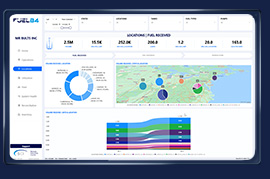
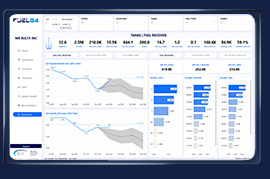
PLATFORMFuelB4 Dashboard
Real-time visibility of your fleet, transactions, and fuel intelligence.

- i4Linx
Advanced hardware and software solutions giving you full control of Industry 4.0 fuel operations.
- i4Linx Website
- Reports
- Business Intelligence
- HUB
INDUSTRY 4.0 PLATFORMi4Linx — Taking Industry 4.0ward
Full visibility and control of your complete fuel chain, powered by i4Linx hardware and software.
- PetroTalk
The podcast for fuel management insights, trends and industry stories.
- PetroTalk Insight
- Latest Episodes
- Join the Community
- Be a Guest
PODCASTConversations That Fuel Insight
Real conversations with industry experts on fuel management, technology and trends.
- Resources
- Blog
- Customer Success Stories
- Case Studies
- Technical Resources Center
- Fuel Delivery – Efficiency Snapshot
- Agriculture
- Fuel savings Calculator
Resources
Guides, case studies and technical resources for fuel management.
LEARNLatest Insights
Practical guides and strategies to optimize inventory and cut fuel costs.
- About Us
Learn about our mission, people and global operations.



- Our Solutions
Secure and control every drop of fuel.
Real-time monitoring of fuel levels in every tank.
- LevelShield
- LevelShield Lite
- Wireless monitoring system
- Track fuel levels
- Track temperature
Manage fuel operations from any device.
- FuelB4 App
- Fuel Management Software
- AI-powered platform
- Inventory Management
Optimize and automate delivery operations.
PLATFORMFuelB4 Dashboard
Real-time visibility of your fleet, transactions, and fuel intelligence.
- i4Linx
Advanced hardware and software solutions giving you full control of Industry 4.0 fuel operations.
- i4Linx Website
- Reports
- Business Intelligence
- HUB
INDUSTRY 4.0 PLATFORMi4Linx — Taking Industry 4.0ward
Full visibility and control of your complete fuel chain, powered by i4Linx hardware and software.
- PetroTalk
The podcast for fuel management insights, trends and industry stories.
- PetroTalk Insight
- Latest Episodes
- Join the Community
- Be a Guest
PODCASTConversations That Fuel Insight
Real conversations with industry experts on fuel management, technology and trends.
- Resources
- Blog
- Customer Success Stories
- Case Studies
- Technical Resources Center
- Fuel Delivery – Efficiency Snapshot
- Agriculture
- Fuel savings Calculator
Resources
Guides, case studies and technical resources for fuel management.
LEARNLatest Insights
Practical guides and strategies to optimize inventory and cut fuel costs.
- About Us
Learn about our mission, people and global operations.